Table of Contents
The Boeing 787 Dreamliner is one of the most innovative commercial aircraft in modern aviation. Developed by Boeing, this advanced widebody airplane was designed to make long-distance air travel more efficient, comfortable, boeing 787 dreamliner and economical. Its lightweight composite structure, fuel-efficient engines, modern cabin design, and advanced flight systems have made it an important aircraft for international airlines.
Since entering commercial service in 2011, the Boeing 787 Dreamliner has transformed how airlines operate long-haul routes. It allows carriers to connect more cities directly while offering passengers an improved flying experience. For readers following aviation developments through Airlinesnews, understanding the Boeing 787 provides valuable insight into the future of commercial air transportation.
What Is the Boeing 787 Dreamliner?
The Boeing 787 Dreamliner is a family of twin-engine, widebody commercial aircraft designed primarily for medium- and long-distance passenger flights. It was developed to provide better fuel efficiency and operating flexibility than many older widebody aircraft.
The aircraft family includes three main versions:
- Boeing 787-8: The original and smallest Dreamliner model.
- Boeing 787-9: A longer version offering additional passenger capacity and range.
- Boeing 787-10: The largest version, designed to carry more passengers on suitable routes.
The Boeing 787 program was launched in 2004, and the first Dreamliner completed its maiden flight on December 15, 2009. The aircraft entered commercial service with All Nippon Airways (ANA) in October 2011.
Its introduction represented an important change in aircraft manufacturing because Boeing used advanced composite materials extensively throughout the airframe.
Boeing 787 Dreamliner Specifications
The Boeing 787 family offers different capacity and performance characteristics depending on the model. Each version is designed to meet different airline requirements.
| Specification | 787-8 | 787-9 | 787-10 |
|---|---|---|---|
| Length | 186 ft | 206 ft | 224 ft |
| Wingspan | 197 ft | 197 ft | 197 ft |
| Typical passenger capacity | 248 | 296 | 336 |
| Maximum published range | 7,305 nautical miles | 7,565 nautical miles | 6,330 nautical miles |
| Engines | 2 | 2 | 2 |
These figures are based on Boeing’s published reference specifications. Actual passenger capacity and operating range vary depending on airline cabin layouts, payload, engine configuration, and flight conditions.
The 787-8 is suitable for airlines seeking a smaller long-range aircraft, while the 787-9 offers a balance between passenger capacity and distance. The 787-10 provides additional seating capacity for busy regional and international routes.
Advanced Technology Behind the Boeing 787
One of the biggest reasons the Boeing 787 Dreamliner attracts attention is its use of modern aviation technology. Its structure, engines, electrical systems, and aerodynamic design were developed to improve overall aircraft performance.
Advanced Composite Materials
Unlike many traditional commercial aircraft that rely heavily on aluminum structures, the Boeing 787 uses carbon-fiber-reinforced composite materials extensively in its fuselage and wings.
These materials offer several advantages, including reduced structural weight, strength, and resistance to corrosion. A lighter aircraft generally requires less fuel to transport the same payload over a given distance.
The composite structure also allows engineers to develop an aircraft designed for the demanding conditions of long-distance operations.
Fuel-Efficient Engines
The Boeing 787 is powered by two advanced engine options: the General Electric GEnx and the Rolls-Royce Trent 1000.
Both engine families were developed to provide the thrust required for long-haul flights while improving fuel efficiency compared with older-generation aircraft. Airlines can select engine configurations according to their fleet requirements and maintenance arrangements.
Better fuel efficiency can help reduce operating expenses, which is particularly important for airlines operating long international routes.
Aerodynamic Wing Design
The Dreamliner’s wings feature a modern aerodynamic design that helps reduce drag and improve flight efficiency. Their distinctive curved shape and flexible structure are designed to support efficient performance across different flight conditions.
Advanced flight-control technology also helps pilots manage the aircraft during takeoff, cruising, and landing.
Boeing 787 Dreamliner Cabin and Passenger Comfort
Passenger comfort was a major consideration during the development of the Boeing 787. Its cabin incorporates several features designed to make long-distance travel more pleasant.
Larger Windows
The Boeing 787 features larger passenger windows than many older commercial aircraft. These windows allow more natural light into the cabin and provide passengers with wider outside views.
Electronic window dimming technology lets passengers adjust the amount of light entering the cabin without traditional mechanical window shades.
Improved Cabin Pressure and Humidity
The Dreamliner uses a cabin pressurization system designed to maintain a lower equivalent cabin altitude than many traditional commercial aircraft. Boeing has described a typical cabin altitude of approximately 6,000 feet, helping reduce some of the discomfort passengers may experience during long flights.
Its environmental control systems also support higher cabin humidity levels than many older aircraft, although actual conditions vary with operating conditions.
Quieter Cabin Environment
Engine technology, aerodynamic improvements, and cabin design help make the Boeing 787 quieter than many older-generation aircraft.
A quieter environment can improve passenger comfort, especially during overnight flights and long international journeys.
Modern Lighting Systems
The Dreamliner uses LED cabin lighting that airlines can adjust for different stages of a flight. Lighting can create a relaxing atmosphere during boarding, meals, and overnight travel.
Boeing 787 Dreamliner vs. Boeing 777
Both the Boeing 787 and Boeing 777 are popular widebody aircraft, but they serve different airline requirements.
| Feature | Boeing 787 | Boeing 777 |
|---|---|---|
| Aircraft type | Twin-engine widebody | Twin-engine widebody |
| Main advantage | Efficiency and flexibility | High passenger capacity |
| Construction | Extensive composite materials | Primarily aluminum structure |
| Passenger capacity | Depends on variant | Depends on variant |
| Typical use | Medium and long-haul routes | High-demand long-haul routes |
The Boeing 787 is particularly attractive to airlines that want to operate long-distance flights with moderate passenger demand. The Boeing 777 family is often selected for routes requiring greater passenger or cargo capacity.
Both aircraft play important roles in modern international aviation.
Airlines That Operate the Boeing 787 Dreamliner
The Boeing 787 is operated by airlines across different regions. Its long-range capabilities allow carriers to connect international destinations without relying exclusively on large hub airports.
Some well-known operators include:
- All Nippon Airways (ANA)
- Japan Airlines
- United Airlines
- American Airlines
- British Airways
- Qatar Airways
- Etihad Airways
- Air Canada
- Singapore Airlines
- Air India
- LATAM Airlines
- Qantas
Airlines use different Dreamliner configurations depending on their business models. Some prioritize economy seating for high passenger numbers, while others focus on premium cabins for international business travelers.
Boeing 787 Dreamliner: Fuel Efficiency and Environmental Benefits
Fuel efficiency is one of the main reasons airlines choose the Boeing 787. Its lightweight structure, advanced engines, and aerodynamic improvements are designed to reduce fuel consumption compared with the older aircraft it was developed to replace.
Lower fuel consumption can also help reduce carbon dioxide emissions per passenger, depending on passenger loads and operating conditions.
The aircraft’s efficiency supports nonstop routes that might be difficult to operate economically with older widebody models. However, the environmental impact of aviation also depends on flight frequency, fuel sources, passenger demand, and airport operations.
Boeing 787 Safety and Maintenance
Safety is a central consideration in commercial aviation, and the Boeing 787 is subject to certification requirements, inspections, and ongoing regulatory oversight.
Like other commercial aircraft, the Dreamliner requires scheduled maintenance, component inspections, software updates, and technical checks throughout its operating life.
In July 2026, the Federal Aviation Administration announced that Boeing could resume issuing airworthiness certificates for newly produced 787 and 737 MAX aircraft under its oversight, following a review of production quality. The FAA stated that inspections, audits, and monitoring would continue. Federal Aviation Administration
In October 2026, the FAA also published an airworthiness directive addressing a specific engine fan-cowl protection issue on certain 787 aircraft. This illustrates how aviation regulators continue monitoring aircraft and requiring corrective action when necessary. GovInfo
The Future of the Boeing 787 Dreamliner
The Boeing 787 program continues to evolve as airlines look for more efficient aircraft and expanded international networks.
In August 2026, Boeing marked 15 years since the Dreamliner’s certification, reporting that the global fleet had carried more than one billion passengers and helped airlines introduce hundreds of new nonstop routes. Boeing
Boeing is also working to expand production capabilities to meet customer demand. In addition, increased maximum takeoff weight certification for the 787-9 and 787-10 provides airlines with additional payload and range flexibility.
These developments demonstrate that the Dreamliner remains an important part of Boeing’s commercial aircraft strategy.
Frequently Asked Questions About the Boeing 787 Dreamliner
1. What is the Boeing 787 Dreamliner famous for?
The Boeing 787 is famous for its composite construction, fuel-efficient engines, long-range capabilities, larger windows, and passenger-focused cabin technology.
2. How many passengers can a Boeing 787 carry?
According to Boeing, typical two-class seating ranges from 200–275 passengers in the 787-8, 250–325 in the 787-9, and 300–375 in the 787-10. Actual capacity depends on airline configuration.
3. How far can the Boeing 787 Dreamliner fly?
The Boeing 787-8 has a published range of up to 8,000 nautical miles, the 787-9 up to 8,300 nautical miles, and the 787-10 up to 7,500 nautical miles. Boeing
4. Which engines are used in the Boeing 787?
The Boeing 787 uses either General Electric GEnx engines or Rolls-Royce Trent 1000 engines, depending on the airline’s selected configuration.
5. Why are Boeing 787 windows different?
The Dreamliner features larger electronically dimmable windows. Passengers can adjust the light entering the cabin using electronic controls rather than traditional window shades.
6. Is the Boeing 787 good for long-distance flights?
Yes. Its range, cabin design, and fuel efficiency make it suitable for long-distance international travel. Airlines can use it to operate nonstop routes between cities in different continents.
7. What is the difference between the Boeing 787-8 and 787-9?
The 787-9 is longer and generally accommodates more passengers than the 787-8. It also has a higher published maximum range, making it useful for airlines that need additional capacity and long-distance performance.
Conclusion
The Boeing 787 Dreamliner has become an important aircraft in modern commercial aviation. Its advanced composite construction, efficient engines, aerodynamic design, and passenger-friendly cabin have helped airlines improve long-distance operations and introduce new international routes. boeing 787 dreamliner With three different models, the 787 family provides flexibility for airlines serving different markets and passenger demands. Continued improvements in aircraft performance, production, and technology are expected to support its role in global aviation.
Related Posts

Casablanca Airport: Latest Airlines News, Flight Updates, and Travel Guide for 2026
IntroductionCasablanca Mohammed V International Airport: An OverviewLatest Casablanca Airport News…
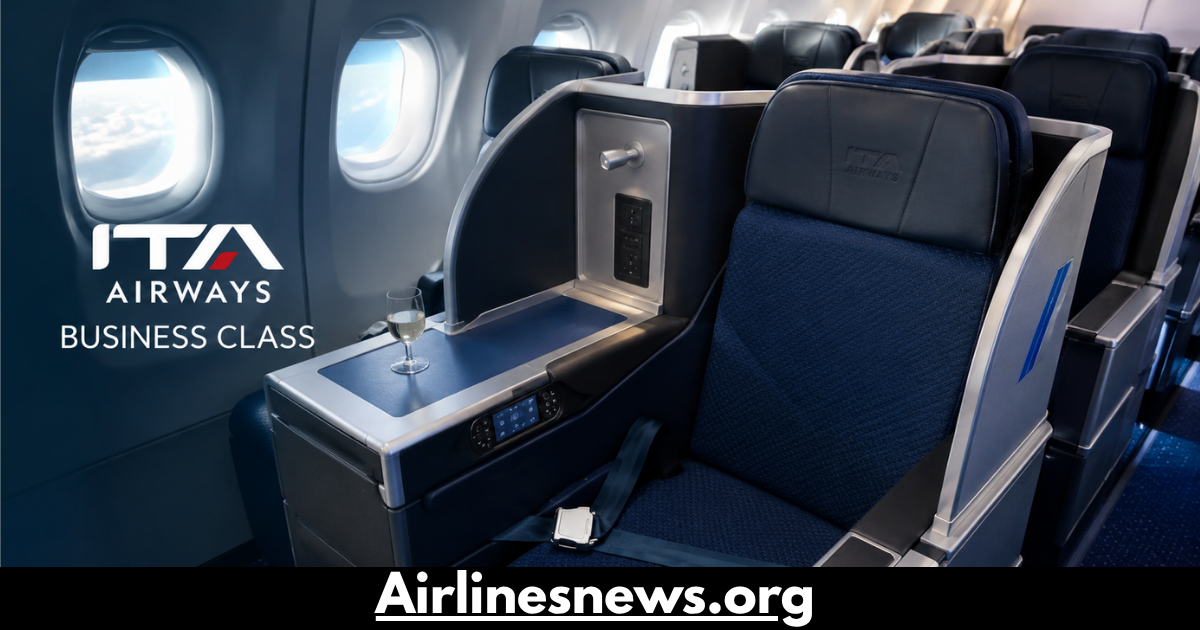
ITA Airways Business Class 4 A Comfortable Italian Way to Fly
What Makes ITA Airways Business Class Different?ITA Airways Business Class…

United a350 Latest News: What Is Happening in 2026?
Why Did United Airlines Order the Airbus A350?Airbus A350-900: Features…