Table of Contents
The 767 plane, officially known as the Boeing 767, is a twin-engine, wide-body commercial aircraft designed for medium- and long-distance flights. Introduced in the early 1980s, it became an important aircraft for airlines operating transatlantic routes, domestic services, and 767 plane international journeys. Its twin-aisle cabin, efficient design for its era, and ability to fly long distances helped establish it as a familiar sight at airports worldwide.
Although newer aircraft now dominate many passenger routes, the Boeing 767 continues to play an important role in aviation. Passenger versions remain in service with some airlines, while freighter models transport packages and commercial cargo. A related military version, the KC-46 Pegasus, is used by the United States Air Force as an aerial refueling tanker.
This guide explores the Boeing 767’s history, variants, seating capacity, range, passenger experience, and continued importance in modern aviation.
1. What Is the Boeing 767 Plane?
The Boeing 767 is a twin-engine, wide-body jet developed by American aircraft manufacturer <Entity value=”Boeing” category=”company” disambig=”American aerospace and commercial aircraft manufacturer”/>. It was designed to provide airlines with a long-range aircraft that could carry a substantial number of passengers without the operating requirements of a larger four-engine jet.
The aircraft made its first flight on September 26, 1981, and entered commercial service in 1982. It introduced a modern digital flight deck and a twin-aisle cabin suited to medium- and long-haul travel.
The 767 was also significant because it helped establish confidence in extended-range operations for twin-engine aircraft. Advances in reliability and regulatory standards made it practical for suitably certified twinjets to operate long routes over oceans, including transatlantic services.
Today, the Boeing 767 family includes passenger aircraft, dedicated cargo freighters, and military derivatives. Its adaptability has helped keep the platform relevant for decades.
2. Boeing 767 Specifications and Dimensions
The Boeing 767 family contains several variants, so its exact dimensions, passenger capacity, and range depend on the model. The 767-200 is shorter, while the 767-300 and 767-400ER have longer fuselages and can accommodate more passengers.
| Specification | Boeing 767 family |
|---|---|
| Aircraft category | Twin-engine, wide-body jet |
| Manufacturer | Boeing |
| First flight | September 26, 1981 |
| Commercial entry into service | 1982 |
| Engines | Two turbofan engines |
| Cabin layout | Twin aisle |
| Typical role | Medium- and long-haul passenger or cargo flights |
The aircraft’s wide-body design provides two aisles, allowing passengers and crew to move through the cabin more easily than in a typical single-aisle aircraft. It also gives airlines flexibility in arranging economy, premium economy, business, and—in some configurations—first-class seating.
Specifications vary by variant and airline configuration. Boeing’s aircraft documents provide detailed dimensions and performance information for individual models. Boeing 767 Airport Planning Document
3. Boeing 767 Models: 767-200, 767-300, and 767-400ER
The 767 family developed over time to meet changing airline requirements. Each major variant offers a different balance of passenger capacity, range, and operating flexibility.
Boeing 767-200
The 767-200 is the original, shorter version of the aircraft. It was designed for routes requiring wide-body comfort and long-range capability without the passenger capacity of larger jets. Most passenger examples have now left scheduled airline service, although aircraft in other roles may remain active.
Boeing 767-300 and 767-300ER
The 767-300 has a longer fuselage than the original model, allowing it to carry more passengers. The 767-300ER adds extended-range capability and became one of the family’s most successful passenger variants.
The 767-300 platform also forms the basis of the widely used 767-300F cargo aircraft. Converted freighters, known as 767-300BCFs, give older passenger aircraft a second life in the cargo market.
Boeing 767-400ER
The 767-400ER is the longest passenger version. It features an extended fuselage and updated design elements, allowing it to carry more passengers than the 767-300ER. Delta Air Lines and United Airlines have operated this variant.
These aircraft differ in dimensions and passenger capacity, so the model name is useful when checking seat maps or comparing flight experiences. Boeing historical aircraft overview
4. How Many Passengers Can a 767 Plane Carry?
The seating capacity of a Boeing 767 depends on the model and the airline’s cabin layout. Airlines may choose fewer seats to provide more space in premium cabins or install a denser economy configuration to increase passenger capacity.
| Model | Approximate passenger capacity |
|---|---|
| 767-200 | Up to around 216 |
| 767-300 | Around 200–269 in typical layouts |
| 767-300ER | Around 200–269 in typical layouts |
| 767-400ER | Around 245 in three-class layouts; up to 304 in a typical two-class layout |
These figures are illustrative rather than universal. Actual seat counts vary by airline, and maximum certified capacity is not necessarily the same as the number of seats installed on a particular aircraft.
What is the seating layout like?
The Boeing 767 has two aisles, usually with a 2-3-2 arrangement in economy class. This means many passengers can choose a window or aisle seat without sitting in a row of four or more people between the windows and aisles.
Premium cabins may use different layouts, including wider seats and lie-flat business-class seats on some long-haul aircraft. Passengers should consult the airline’s seat map for their specific flight because cabin layouts can differ significantly.
5. Is the Boeing 767 Comfortable for Passengers?
The Boeing 767’s twin-aisle cabin is one of its most recognizable features. Compared with many narrow-body aircraft, the extra aisle makes it easier for passengers to move around the cabin and for cabin crews to provide service.
<AsyncImage query=”Boeing 767 passenger airplane economy cabin interior 2-3-2 seating twin aisle” aspectRatio=”16:9″ width=”100%” />
Passenger comfort depends largely on the airline’s interior design and maintenance standards. Some 767s have modernized cabins with updated entertainment systems, charging outlets, and premium seating. Others have older interiors that may feel less modern than newer aircraft.
For long-haul travelers, useful features to check include:
- Seat pitch and width.
- Availability of personal entertainment screens.
- USB ports or power outlets.
- Wi-Fi availability.
- The airline’s business-class or premium-economy configuration.
The aircraft model alone does not determine whether a flight will be comfortable. A well-maintained 767 with a thoughtfully designed cabin can provide an enjoyable journey, but the specific airline configuration makes a significant difference.
6. How Far Can a Boeing 767 Fly?
The Boeing 767 was designed for medium- and long-distance travel. Its range depends on the variant, fuel capacity, payload, weather, and operating conditions.
For example, Boeing’s published planning information gives the 767-200 a range of approximately 3,900 nautical miles in a standard configuration, while the 767-200ER can fly more than 5,200 nautical miles under specified conditions. Extended-range versions of the 767-300 family are also capable of long international journeys.
This range helped make the aircraft suitable for transatlantic routes and other services where airlines wanted a wide-body jet without the capacity or operating requirements of a larger aircraft.
The 767 also contributed to the growth of extended-range twin-engine operations, commonly known as ETOPS. These rules establish the conditions under which twin-engine aircraft can operate routes that take them a significant distance from suitable diversion airports.
7. Why Is the Boeing 767 Still Used Today?
Even though the 767 design is several decades old, it continues to serve important roles in aviation. Its ongoing usefulness comes from its established engineering, available maintenance expertise, and versatility across passenger and cargo operations.
Passenger services
Some airlines continue to use passenger 767s on domestic and international routes. Their relatively moderate capacity can suit markets where a larger aircraft would be unnecessary but a wide-body cabin is still desirable.
Cargo operations
The Boeing 767-300F is an important medium-sized wide-body freighter. Boeing lists a structural payload of approximately 57 metric tonnes and a published range of around 3,300 nautical miles for this version. The 767-300BCF conversion program also allows suitable passenger aircraft to be adapted for cargo operations. Source: Boeing Freighter Family
Cargo airlines value the 767 because it can transport substantial loads on regional and medium-distance routes. Its role in express shipping and e-commerce logistics has helped extend the life of the aircraft family.
Military tanker operations
The KC-46 Pegasus is a military derivative based on the 767 platform. It is designed to refuel other aircraft in flight and can also support the transportation of personnel and cargo. This military role means the 767’s underlying design continues to be developed even as the commercial passenger fleet changes.
Boeing has indicated that commercial 767 production is expected to conclude in 2027, while the wider production line also supports the KC-46 program. Existing passenger and cargo aircraft are expected to remain in service beyond the end of new commercial production.
Frequently Asked Questions About the 767 Plane
1. Is the Boeing 767 a wide-body aircraft?
Yes. The Boeing 767 is a twin-engine wide-body aircraft with two aisles and a cabin designed for medium- and long-distance travel.
2. How many passengers fit on a Boeing 767?
Depending on the variant and seating layout, a passenger Boeing 767 can carry roughly 200 to more than 300 people. The exact capacity depends on the model and airline configuration.
3. Is the Boeing 767 still flying?
Yes. Passenger versions remain in service with some airlines, and cargo variants continue to operate extensively. Military derivatives such as the KC-46 also remain important.
4. How fast does a Boeing 767 fly?
The Boeing 767 generally cruises at approximately 530–550 mph, depending on operating conditions and the specific variant. Actual ground speed changes with wind and route conditions.
5. What is the difference between the Boeing 767-300 and 767-300ER?
The 767-300ER has extended-range capability compared with the standard 767-300. This makes it better suited to longer international routes, depending on payload and operating conditions.
6. Is the Boeing 767 safe?
The 767 has a long operational history in commercial aviation. Aircraft safety depends on maintenance, regulatory compliance, crew training, operating procedures, and the condition of each individual aircraft—not simply its age or model.
7. What is the Boeing 767 used for besides passenger flights?
The aircraft family is also used for cargo transport. The 767-300F and converted 767-300BCF carry freight, while the KC-46 Pegasus serves as a military aerial refueling tanker and transport aircraft.
Conclusion
The Boeing 767 plane remains an important part of aviation history and modern air transport. Its twin-aisle cabin, long-range capability, and adaptable design made it a popular aircraft for international passenger flights and 767 plane helped establish the role of twin-engine wide-body jets on transoceanic routes.
Related Posts

How Much Do Airline Pilots Make? Salary, Pay Factors, and Career Outlook
How Much Do Airline Pilots Make a Year?Airline Pilot Salary…

First Flying Car: 7 Amazing Facts About the History and Future of Flying Cars
What Was the First Flying Car?The History of the First…
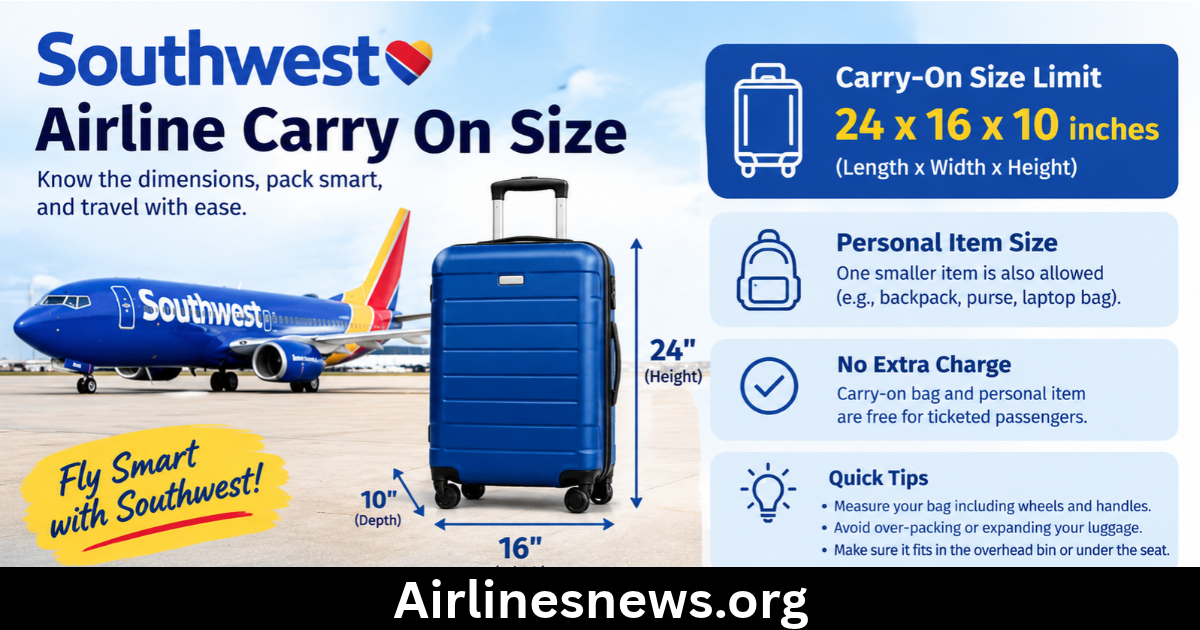
Southwest Airline Carry On Size: Ultimate 2026 Guide for Easy Travel
Southwest Airline Carry On Size RequirementsWhat Is the Southwest Personal…