Table of Contents
The Boeing 747 cargo plane is one of the most recognizable and capable aircraft in the history of air freight. Known for its distinctive upper-deck hump, enormous size, boeing 747 cargo plane and impressive carrying capacity, the 747 freighter has played a major role in transporting goods across international markets. From industrial machinery and aircraft engines to electronics, medical supplies, and everyday products, this aircraft helps move large shipments quickly over long distances.
Although Boeing ended 747 production in 2022, with the final aircraft delivered in 2023, cargo versions continue to serve important roles in global logistics. Understanding the Boeing 747 freighter reveals why this aircraft remains significant to the aviation and shipping industries.
What Is the Boeing 747 Cargo Plane?
The Boeing 747 cargo plane is a wide-body, four-engine jet designed to transport freight rather than passengers. Commonly called the 747 freighter, it has a spacious main cargo deck, additional storage areas below, and large loading doors that allow ground crews to handle heavy and oversized shipments.
Several freighter versions have been developed, including the 747-200F, 747-400F, 747-400ERF, and the more advanced 747-8F. Each generation introduced improvements in payload capacity, fuel efficiency, range, and cargo-handling capabilities.
Unlike passenger aircraft that carry freight mainly in their lower cargo holds, a dedicated 747 freighter uses much of its main deck for commercial cargo.
Boeing 747 Freighter Specifications
The Boeing 747-8F is the latest generation of the 747 freighter family. It features a longer fuselage, redesigned wings, and modern engines compared with earlier models.
Important characteristics include:
- Aircraft type: Four-engine wide-body cargo jet
- Manufacturer: Boeing
- Main variant: Boeing 747-8F
- Structural payload capacity: Approximately 137 metric tonnes
- Main deck: Designed for large freight pallets and containers
- Cargo access: Large side cargo door and hinged nose door
- Engines: Four General Electric GEnx-2B engines
Exact payload and range depend on the aircraft configuration, fuel load, route, and operating conditions. Boeing’s reference material lists a structural payload capacity of 137 metric tonnes for the 747-8F. <Cite refs={[“turn790017search12″,”turn790017search13”]}/>
How Much Cargo Can a Boeing 747 Carry?
Cargo capacity is one of the biggest reasons airlines and freight operators have used the Boeing 747. The 747-8F can carry approximately 137 metric tonnes of structural payload, making it suitable for shipments that would be difficult to transport on smaller aircraft.
Earlier versions also offer substantial capacity. For example, the 747-400F and 747-400ERF are widely used freighter designs with payload capabilities that vary according to their configuration.
The amount of cargo an aircraft can carry is not determined by space alone. Operators must consider total weight, fuel requirements, runway conditions, weather, and the distance of the flight. Heavy cargo may reach the aircraft’s weight limit before its available space is completely filled.
Unique Cargo Doors and Loading System
One of the most distinctive features of the Boeing 747 freighter is its nose-loading system. The aircraft’s hinged nose can open upward, allowing long or oversized shipments to be loaded directly into the main deck.
This is especially useful for transporting:
- Aircraft engines and aviation components
- Industrial machinery
- Large vehicles and equipment
- Power-generation components
- Oversized construction materials
The 747-8F also has a large main-deck side cargo door and lower-deck cargo doors. These access points allow loading teams to handle different types of freight efficiently.
The combination of nose and side loading gives the 747 freighter flexibility that is particularly valuable for unusual or bulky shipments. <Cite refs={[“turn790017search0″,”turn790017search1”]}/>
Boeing 747-400F vs. Boeing 747-8F
The Boeing 747-400F and 747-8F are two important generations of the aircraft. Both are designed for heavy freight operations, but the newer 747-8F includes several improvements.
Boeing 747-400F
The 747-400F became a popular aircraft among cargo operators because of its long-range capability, large cargo deck, and ability to transport heavy shipments. It also features the distinctive nose door that makes oversized cargo loading possible.
Boeing 747-8F
The 747-8F is longer than the 747-400F and provides additional cargo capacity. Its redesigned wing, raked wingtips, and GEnx engines improve aerodynamic and operating performance.
Boeing introduced the 747-8F to offer greater payload capability and improved efficiency while maintaining compatibility with many existing 747 cargo operations. <Cite refs={[“turn790017search13″,”turn790017search12”]}/>
What Types of Goods Does a Boeing 747 Cargo Plane Transport?
The Boeing 747 freighter supports a wide range of industries. Its large cargo capacity makes it particularly useful when shipments are too heavy, too large, or too numerous for smaller aircraft.
Common cargo categories include:
1. Electronics and technology: Computers, servers, telecommunications equipment, and electronic components can be transported between manufacturing centers and international markets.
2. Industrial machinery: Large machines, factory equipment, and specialized components often require the 747’s spacious cargo deck and nose-loading capability.
3. Medical supplies: During emergencies, cargo aircraft can transport medical equipment, protective supplies, and other essential goods over long distances.
4. Automotive parts: Engines, vehicle components, and production equipment can be shipped to support international manufacturing operations.
5. Perishable goods: Certain food products, flowers, and temperature-sensitive shipments can be carried using appropriate packaging and cargo-handling arrangements.
Airlines and Cargo Operators That Use Boeing 747 Freighters
Several cargo operators have used or continue to operate Boeing 747 freighters. Their fleets and aircraft availability can change as companies update their operations.
UPS Airlines lists both the 747-400F and 747-8F among its aircraft types. National Airlines also publishes information about its 747-400 freighter variants. <Cite refs={[“turn790017search0″,”turn790017search3”]}/>
Other major cargo operators have historically operated different 747 freighter models, including international freight carriers and specialist charter companies. These aircraft are valuable for scheduled cargo services as well as unusual shipments that require customized transport arrangements.
Why Is the Boeing 747 Important to Global Air Freight?
The Boeing 747 helped transform long-distance cargo transportation by making it possible to move large shipments between continents on dedicated freighter aircraft.
Its importance comes from several advantages:
- High payload capacity: It can carry substantial quantities of freight on a single flight.
- Long-distance operations: It connects major cargo hubs across international markets.
- Oversized cargo handling: Its nose door supports shipments that cannot easily fit through conventional cargo doors.
- Flexible loading: Main-deck and lower-deck cargo areas support different freight configurations.
- Established infrastructure: Many airports and cargo facilities have experience handling 747 aircraft.
These capabilities make the aircraft useful for industries that depend on reliable international supply chains.
Is the Boeing 747 Cargo Plane Still in Production?
No. Boeing’s 747 production program ended after more than five decades. The final 747 rolled out of the Everett factory in December 2022 and was delivered in January 2023. <Cite refs={[“turn790017search2”]}/>
However, the end of production does not mean that all 747 cargo aircraft have disappeared. Existing freighters can continue operating as long as they meet maintenance, regulatory, and commercial requirements.
Cargo operators may also choose to upgrade, maintain, or eventually retire aircraft depending on operating costs, market demand, and fleet strategy. The 747 therefore remains an important part of aviation history and, in some fleets, an active freight aircraft.
Frequently Asked Questions About the Boeing 747 Cargo Plane
1. How much cargo can a Boeing 747 cargo plane carry?
The Boeing 747-8F has a structural payload capacity of approximately 137 metric tonnes. Actual usable payload depends on aircraft configuration, fuel, route, and operating conditions.
2. What is the largest Boeing 747 cargo aircraft?
The 747-8F is the largest and latest production freighter version of the 747 family. It features a longer fuselage and increased cargo capacity compared with the 747-400F.
3. Can a Boeing 747 cargo plane carry oversized items?
Yes. Its hinged nose door allows certain long and oversized shipments to be loaded directly into the main cargo deck. The large side cargo door provides another loading option.
4. What engines power the Boeing 747-8F?
The Boeing 747-8F is powered by four General Electric GEnx-2B engines, designed to improve efficiency and reduce noise compared with earlier-generation engines.
5. Is the Boeing 747 still used for cargo?
Yes. Although production has ended, existing 747 freighters remain in service with some cargo operators. Individual fleet sizes and operating schedules can change.
6. What is the difference between a 747 passenger plane and a cargo plane?
A passenger 747 is configured with seats, passenger facilities, and baggage storage. A dedicated freighter has a reinforced cargo-handling arrangement, large freight doors, and a main deck designed for commercial shipments.
7. Why does the Boeing 747 have a nose cargo door?
The nose door allows long or bulky freight to be loaded straight into the main deck. This is especially useful for industrial equipment, aircraft engines, and other oversized shipments.
Conclusion
The Boeing 747 cargo plane remains one of the most influential aircraft in commercial freight aviation. Its large payload capacity, long-range performance, spacious cargo deck, and unique nose-loading system have made it a valuable tool for international logistics. boeing 747 cargo plane Although Boeing has ended production, existing 747 freighters continue to demonstrate the aircraft’s importance in transporting heavy and oversized goods. Its contribution to global air cargo ensures that the Queen of the Skies will remain an important part of aviation history.
Related Posts

How High Do Airplanes Fly? 1 Average Cruising Altitudes Explained
How High Do Commercial Airplanes Fly?Typical Flying Altitudes of Different…
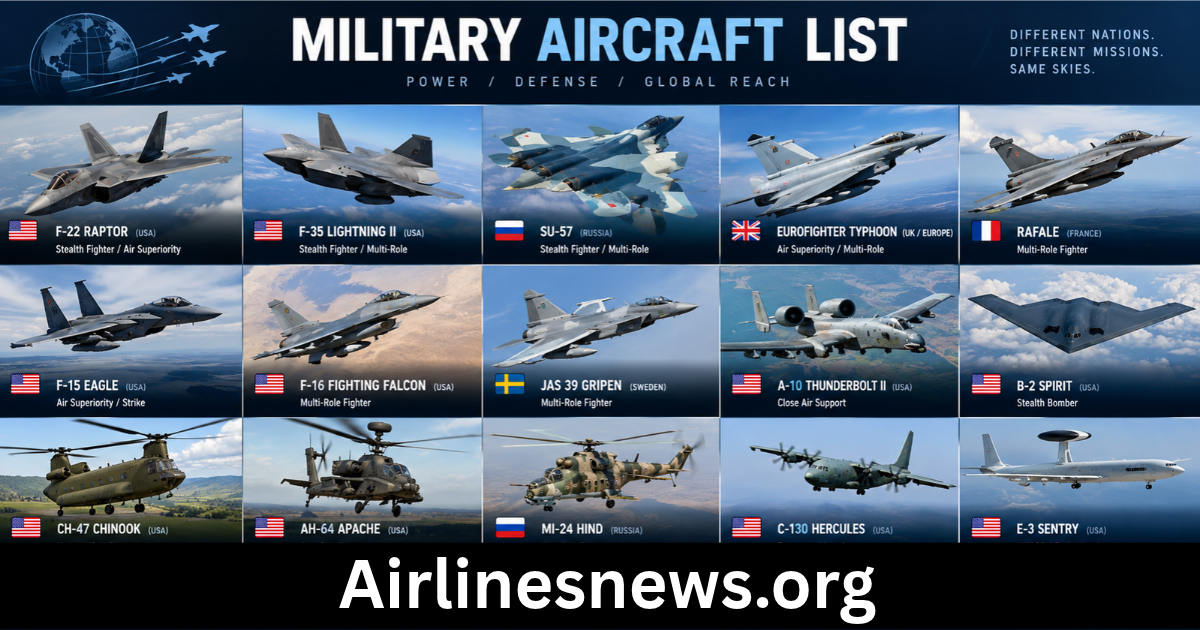
Military Aircraft List: 1 Types, Names, and Their Roles in Modern Aviation
What Is a Military Aircraft?Complete Military Aircraft List by Category1.…
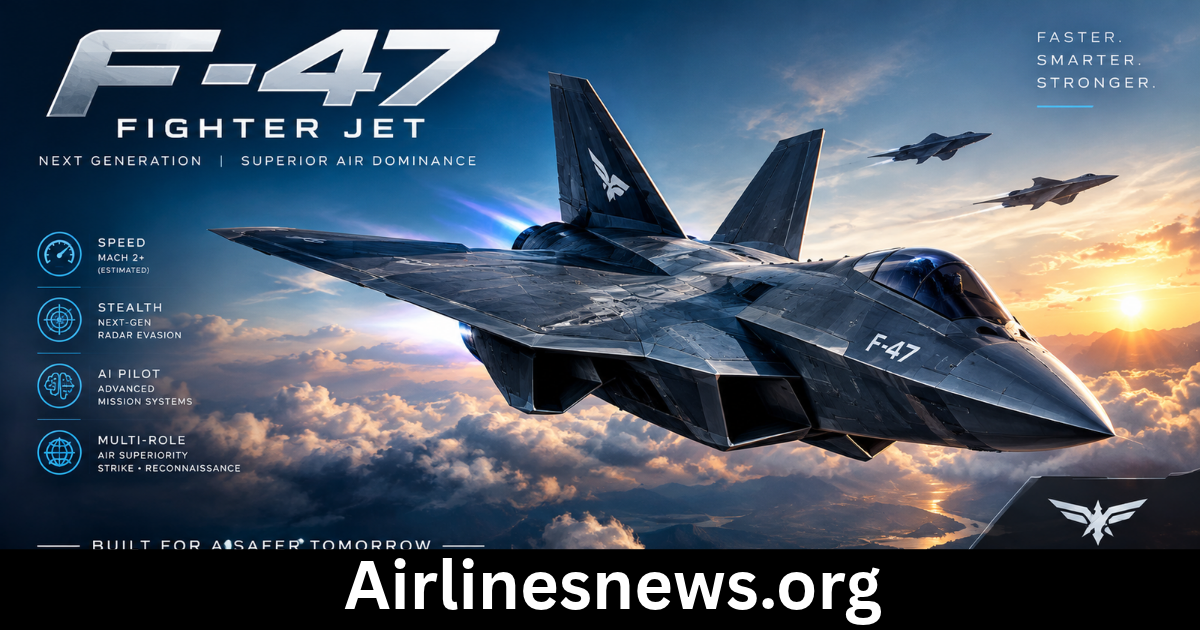
F47 Fighter Jet: 7 Powerful Facts About America’s Sixth-Generation Stealth Aircraft
1. What Is the F47 Fighter Jet?2. Why Is the…