Table of Contents
Military aircraft carriers are among the most powerful and recognizable warships in the world. These floating airbases allow naval forces to launch fighter jets, surveillance aircraft military aircraft carriers, and helicopters from the ocean, extending a country’s military reach far beyond its coastline. They play an important role in modern naval warfare, maritime security, and international operations.
From enormous nuclear-powered American carriers to the modern British and Chinese fleets, aircraft carriers represent a combination of advanced engineering, naval aviation, and strategic military power.
What Is a Military Aircraft Carrier?
A military aircraft carrier is a large naval warship designed to transport, launch, recover, and maintain military aircraft at sea. Instead of relying entirely on land-based airfields, a navy can position an aircraft carrier near an area of interest and operate aircraft from its flight deck.
Aircraft carriers can support fighter operations, air defense, maritime patrol, reconnaissance, search and rescue, and humanitarian missions. They also serve as command centers for larger naval formations.
The United States Navy describes its aircraft carriers as important platforms for sea control, deterrence, maritime security, and power projection. <Cite refs={[“turn500481search0”]}/>
How Do Aircraft Carriers Work?
Aircraft carriers operate as mobile airfields. Their flight decks are specially designed to help aircraft take off and land in the challenging conditions of an open ocean.
Aircraft Launch Systems
Some carriers use catapults to accelerate aircraft to takeoff speed over a short distance. Traditional systems use steam, while newer designs can use electromagnetic technology.
Other carriers use a ski-jump ramp at the front of the flight deck. This upward-curving structure helps aircraft take off without a conventional catapult. The British Queen Elizabeth-class carriers, for example, use ski-jump launches for their F-35B fighter jets. <Cite refs={[“turn500481search1″,”turn500481search2”]}/>
Aircraft Landing Systems
Landing on an aircraft carrier requires precision. Many carrier-based jets use a tailhook that catches one of several arresting wires stretched across the flight deck. These wires rapidly slow the aircraft and bring it to a stop.
Helicopters and some short-takeoff-and-vertical-landing aircraft use different landing methods.
Flight Deck and Hangar Operations
Aircraft carriers have large hangar spaces below the flight deck. Elevators move aircraft between the hangar and the flight deck, while maintenance teams inspect, repair, fuel, and prepare aircraft for missions.
The flight deck is a highly organized working environment where pilots, aircraft handlers, engineers, and other personnel coordinate every launch and recovery.
Main Types of Military Aircraft Carriers
Aircraft carriers differ in size, propulsion systems, aircraft capacity, and launch technology.
1. Nuclear-Powered Aircraft Carriers
Nuclear-powered aircraft carriers use nuclear reactors to generate propulsion power. They can operate for long periods without needing conventional fuel for their main propulsion systems, although they still require food, ammunition, aircraft fuel, spare parts, and other supplies.
The United States operates the world’s largest nuclear-powered carrier fleet. Its Nimitz-class and newer Gerald R. Ford-class ships are designed for decades of service. <Cite refs={[“turn500481search0″,”turn500481search27”]}/>
2. Conventionally Powered Aircraft Carriers
Conventionally powered carriers use systems such as gas turbines or diesel engines. They generally require more frequent propulsion-fuel replenishment than nuclear-powered ships.
Examples include the British Queen Elizabeth-class carriers and India’s INS Vikrant. These vessels demonstrate that modern carrier operations do not necessarily require nuclear propulsion.
3. Light Aircraft Carriers
Light aircraft carriers are generally smaller than large fleet carriers. Depending on their design, they may operate helicopters, short-takeoff-and-vertical-landing fighter jets, or a combination of aircraft.
They can provide useful aviation support for countries that cannot afford or do not require very large carriers.
4. Helicopter Carriers and Amphibious Assault Ships
Helicopter carriers primarily operate helicopters and support amphibious operations. Some amphibious assault ships can also operate fixed-wing aircraft such as the F-35B.
Although these ships may resemble aircraft carriers, their primary missions and aircraft capabilities can differ from those of conventional fleet carriers.
Famous Military Aircraft Carriers Around the World
Several countries operate aircraft carriers as important parts of their naval forces.
United States: Gerald R. Ford and Nimitz Classes
The United States has the largest and most capable aircraft carrier fleet. Its Nimitz-class carriers are nuclear-powered vessels that operate large air wings.
The newer Gerald R. Ford class introduces advanced technologies, including the Electromagnetic Aircraft Launch System (EMALS) and Advanced Arresting Gear. USS Gerald R. Ford (CVN 78), the first ship of the class, was commissioned in 2017. <Cite refs={[“turn500481search0″,”turn500481search3”]}/>
China: Fujian and Other Aircraft Carriers
China has expanded its naval aviation capabilities with the development of multiple aircraft carriers. Its fleet includes Liaoning and Shandong, while Fujian represents a newer design featuring electromagnetic aircraft launch technology.
China’s carrier program reflects its growing interest in operating naval aviation farther from its coastline.
United Kingdom: Queen Elizabeth Class
The Royal Navy operates two Queen Elizabeth-class aircraft carriers: HMS Queen Elizabeth and HMS Prince of Wales.
Each ship has a displacement of approximately 65,000 tonnes and can operate F-35B fighter jets and helicopters. Their ski-jump flight decks support short takeoffs, while the F-35B’s vertical-landing capability allows it to recover aboard the ship. <Cite refs={[“turn500481search2”]}/>
India: INS Vikramaditya and INS Vikrant
India operates two aircraft carriers: INS Vikramaditya and the domestically built INS Vikrant.
These ships support India’s naval aviation capabilities and help protect its maritime interests across the Indian Ocean region.
France: Charles de Gaulle
France operates Charles de Gaulle, a nuclear-powered aircraft carrier. It uses catapult launch and arresting systems and can operate carrier-based fighter aircraft, including the Rafale M.
The ship provides France with an important ability to conduct naval aviation operations beyond its national coastline.
What Aircraft Operate From Military Carriers?
Carrier air wings include different aircraft types, each designed for particular missions.
- Fighter jets: Aircraft such as the F/A-18 Super Hornet and F-35B provide air defense and strike capabilities.
- Surveillance aircraft: Platforms such as the E-2D Advanced Hawkeye help monitor air and maritime activity.
- Electronic warfare aircraft: Specialized aircraft can disrupt or interfere with enemy radar and communications.
- Helicopters: Naval helicopters perform search and rescue, anti-submarine warfare, transport, and surveillance.
- Transport aircraft: Some carriers operate aircraft designed to move personnel, equipment, and supplies.
The combination of these aircraft allows a carrier strike group to perform several missions at the same time.
Why Are Military Aircraft Carriers Important?
Aircraft carriers provide navies with several strategic advantages.
Power projection: They allow countries to deploy aircraft near distant regions without depending entirely on foreign airbases.
Sea control: Carrier aircraft help monitor maritime areas and defend naval forces against airborne and surface threats.
Military deterrence: A carrier deployment can demonstrate a country’s military presence and ability to respond to a crisis.
Humanitarian assistance: Carriers can support disaster relief, evacuation operations, and emergency transportation when equipped and assigned for those missions.
Flexible operations: Their aircraft can perform different tasks, from surveillance to combat missions, depending on the situation. <Cite refs={[“turn500481search0″,”turn500481search24”]}/>
Challenges of Operating an Aircraft Carrier
Despite their capabilities, aircraft carriers are extremely expensive and complicated to operate. Construction, maintenance, aircraft procurement, crew training, and regular deployments require significant financial resources.
Carriers also need protection from submarines, missiles, aircraft, and other threats. For this reason, they normally operate alongside destroyers, frigates, submarines, and supply ships as part of a larger naval force.
Another challenge is the complexity of flight deck operations. Aircraft must launch and recover safely in changing weather and sea conditions, leaving little room for mistakes.
The Future of Military Aircraft Carriers
Future aircraft carriers are expected to use more advanced launch systems, improved radar, automated equipment, and increasingly sophisticated aircraft. Uncrewed aerial vehicles may also become a larger part of carrier operations, supporting surveillance, reconnaissance, and other missions.
Countries are also exploring ways to improve aircraft range, reduce operating costs, and protect carriers against modern missile and underwater threats.
Although naval warfare continues to evolve, aircraft carriers remain important platforms for countries seeking a flexible presence at sea.
Frequently Asked Questions (FAQs)
1. What is the main purpose of a military aircraft carrier?
Its main purpose is to operate military aircraft at sea, allowing a navy to conduct air defense, surveillance, strike missions, and other operations without relying entirely on land-based airfields.
2. Which country has the most aircraft carriers?
The United States operates the largest fleet of full-size aircraft carriers, including its Nimitz-class and Gerald R. Ford-class nuclear-powered ships.
3. Are all military aircraft carriers nuclear-powered?
No. Some carriers use nuclear propulsion, while others rely on conventional propulsion systems such as gas turbines or diesel engines.
4. How do fighter jets take off from aircraft carriers?
Depending on the carrier, aircraft may use steam catapults, electromagnetic catapults, or ski-jump ramps. Some aircraft, including the F-35B, can perform short takeoffs.
5. How do aircraft land on an aircraft carrier?
Many conventional carrier-based jets use a tailhook to catch an arresting wire on the flight deck. Other aircraft use vertical or specialized landing procedures.
6. What is the largest military aircraft carrier?
The U.S. Navy’s Gerald R. Ford-class and Nimitz-class carriers are among the largest warships ever built. The Ford class represents the Navy’s newest generation of supercarriers.
7. Can aircraft carriers operate helicopters?
Yes. Helicopters are an important part of carrier aviation and support search and rescue, transport, surveillance, and anti-submarine missions.
Conclusion
Military aircraft carriers are powerful naval platforms that combine aviation, engineering, and maritime operations. They allow countries to deploy aircraft across international waters, support naval forces, respond to emergencies, and demonstrate military presence far from home. military aircraft carriers From America’s nuclear-powered supercarriers to China’s expanding fleet, Britain’s Queen Elizabeth class, and India’s domestically built INS Vikrant, aircraft carriers continue to shape modern naval strategy. As technology advances, these floating airbases are likely to remain significant assets in the future of military aviation and maritime defense.
Related Posts

How Much Do Airline Pilots Make? Salary, Pay Factors, and Career Outlook
How Much Do Airline Pilots Make a Year?Airline Pilot Salary…

When Is the Best Time to Buy Airline Tickets? A Complete Guide
When Is the Best Time to Buy Airline Tickets?How Far…
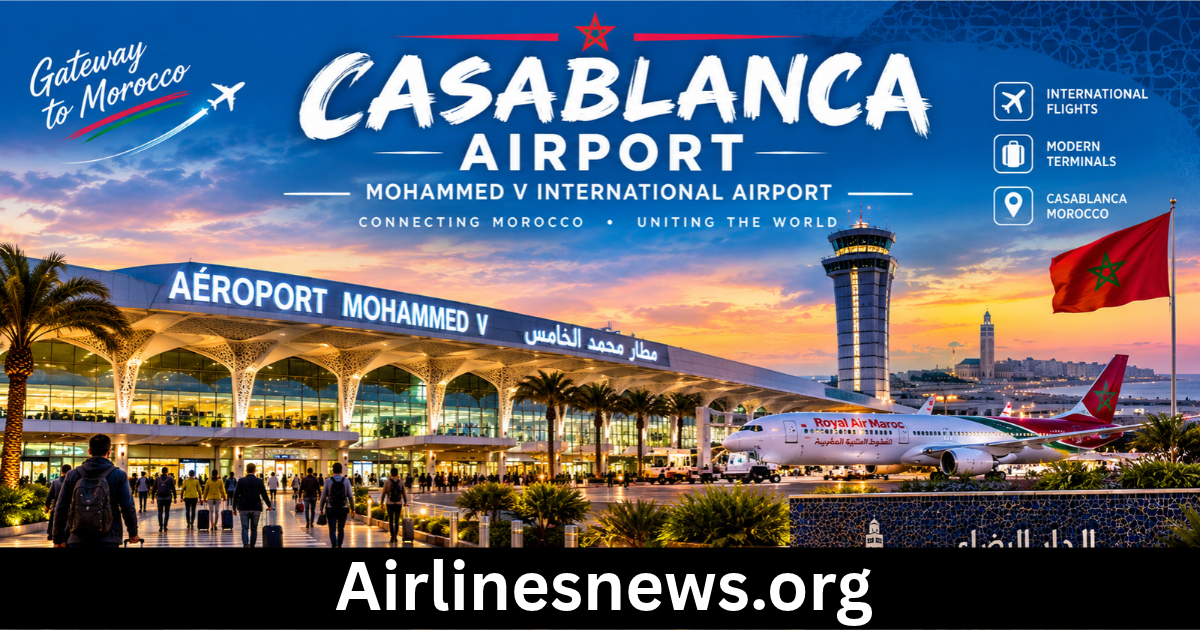
Casablanca Airport: Latest Airlines News, Flight Updates, and Travel Guide for 2026
IntroductionCasablanca Mohammed V International Airport: An OverviewLatest Casablanca Airport News…